
After his conviction for “gross indecency” and the harsh imprisonment in Reading, Oscar Wilde was released with a wounded soul, yet still driven by a desire for redemption and escape. In October 1897, together with his young lover Lord Alfred Douglas – known as “Bosie” – they arrived in Naples, attempting to flee the public outcry and social stigma in England, and from there made their way to Capri. The idea was simple: to forget prison and scandal; to rediscover some peace, perhaps reclaiming that romantic taste for beauty and elegance that had once made Wilde one of Europe’s most celebrated writers.
Oscar Wilde, Bosie and the Quisisana
They arrived at the Quisisana – then, as now, a “grand hotel”, a preferred destination for the European elite on holiday – convinced they had found a discreet refuge. Yet within the hotel’s elegant halls, luxury and vanity quickly turned to hostility. On October 15, 1897, Wilde and Bosie entered the dining room, hoping for a quiet evening. But among the guests – aristocrats, bankers, high-ranking ladies, many of them English regulars on the island – someone recognized them, and whispers turned harsh. Several guests threatened to leave if the two remained. Under pressure, the hotel management – then led by Federico Serena – was forced to ask Wilde and Bosie to leave. It is said that the writer bitterly remarked: “They even denied us bread!” – expressing his disgust and humiliation at a gesture that went beyond table service to a symbolic act of social expulsion. So ended the illusion of refuge: the Quisisana dining room became, for Wilde, the final image of a fragile, naïve happiness.
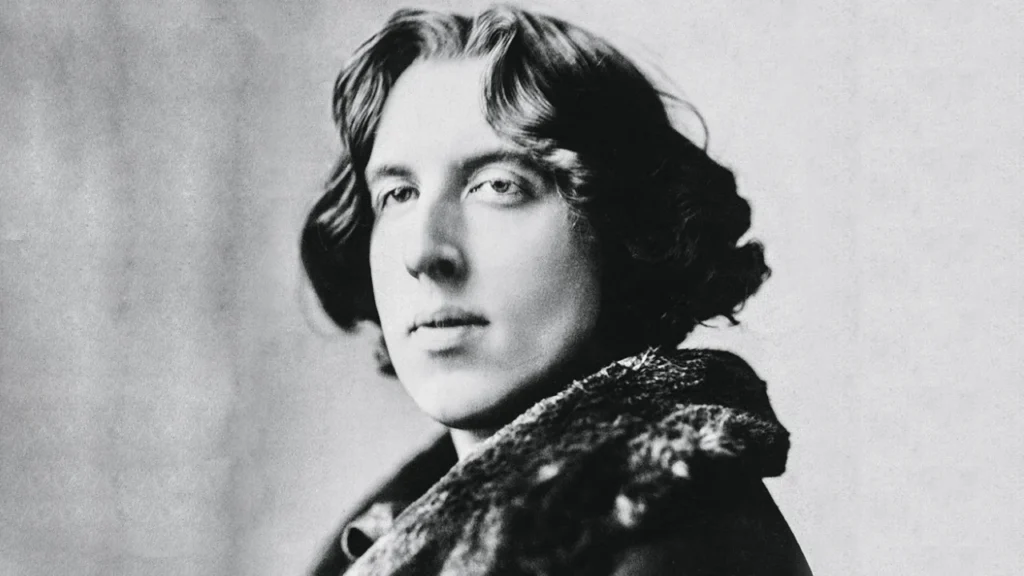
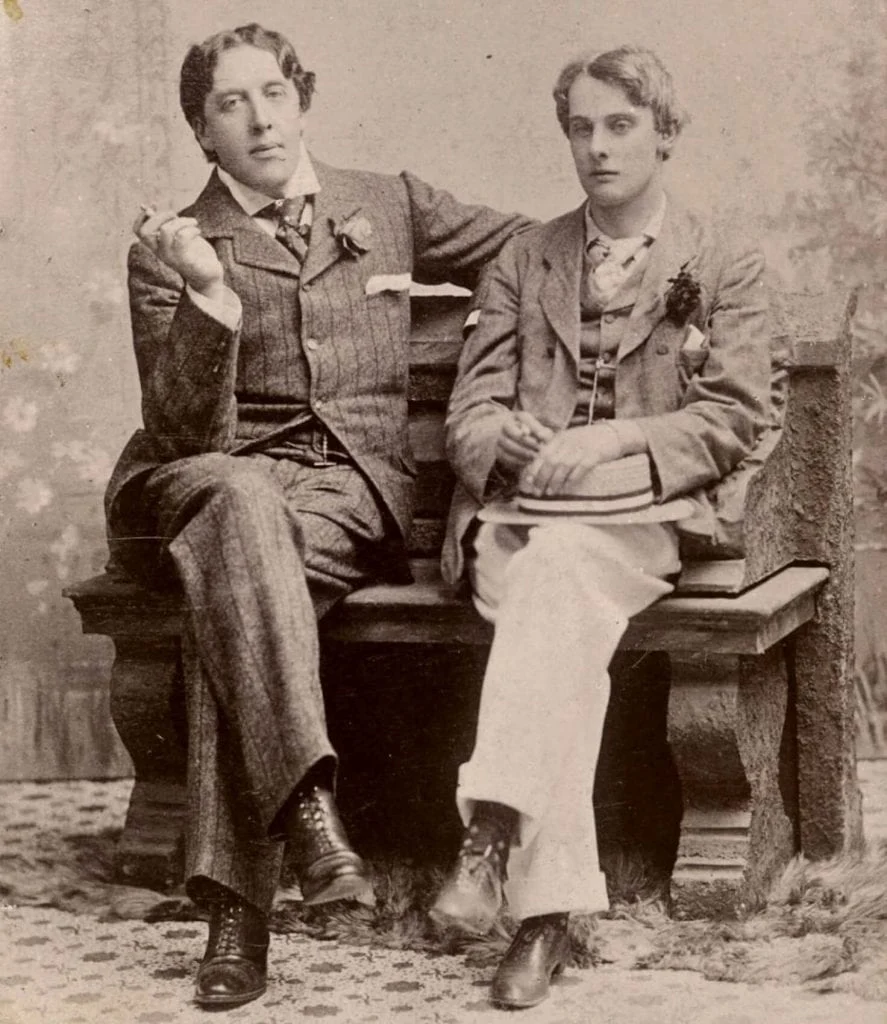

Oscar Wilde & Axel Munthe
Turned away from the hotel, Wilde and Bosie wandered the streets of Capri, aimless and chilled. But not all doors on the island were closed to them: the meeting with Dr. Axel Munthe – owner of the enchanting Villa San Michele in Anacapri – represented one of the last serene moments in Wilde’s life. Munthe, cultured and intrigued, invited them for breakfast at his seaside villa, adorned with ancient ruins, statues, and sweeping views of the Gulf of Naples. In that embrace of hospitality, Wilde found a moment of comfort. He spoke of the expulsion and the cruel rejection: “They even denied us bread.” According to those who later reconstructed the events, that meal was one of Wilde’s final happy days after prison.
Capri: a little Eden for restless spirits
Wilde’s experience at the Quisisana was not unique: between the late 19th and early 20th centuries, Capri had become a haven for an international community of artists, intellectuals, and aristocrats seeking freedom – of expression, of love, of escape. Many – like Munthe himself, or figures such as the “scandalous” German industrialist Friedrich Alfred Krupp or the more famous Baron Fersen – found the island an ideal setting to live outside the rigid norms of Victorian Europe. Yet even Capri had its limits: the foreign resident community – often wealthy, often British – did not always accept difference with open arms, and Wilde’s scandalous presence makes that clear. The result is a portrait of ambiguity: Capri as both refuge and prison – an island of unmatched beauty, yet also subtle social codes, where freedom and prejudice coexisted in unstable balance.

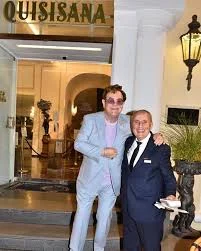

The Quisisana today: Caprese excellence
Today the Grand Hotel Quisisana enjoys a new golden age under the leadership of Adalberto Cuomo and his family, who have preserved its identity while transforming it into an icon of Capri hospitality. Its elegant interiors, Mediterranean gardens, and terraces overlooking the Faraglioni rocks attract international jet-set personalities every year: stars of sport, cinema, music, and fashion. Among the most famous guests to have chosen the Quisisana are Cristiano Ronaldo and Lionel Messi, as well as celebrities like Naomi Campbell, Jennifer Lopez, Gwyneth Paltrow, Tom Cruise, George Clooney, Elton John and Denzel Washington, just to mention a few. Frequented also by designers such as Dolce & Gabbana, Valentino Garavani, and Donatella Versace, the hotel has become a benchmark for those seeking luxury, discretion, and Mediterranean charm. Under the Morgano-Cuomo family’s stewardship, the Quisisana continues to embody the spirit of Capri: a unique place where history meets glamour and every stay becomes an unforgettable experience.


